
 OpenAI News
OpenAI Robotics Symposium 2019
We hosted the first OpenAI Robotics Symposium on April 27, 2019.
Topics: Models
Concept
OpenAI News
We hosted the first OpenAI Robotics Symposium on April 27, 2019.
Topics: Models

OpenAI News
Our second class of OpenAI Scholars has concluded, with all eight scholars producing an exciting final project showcased at Scholars Demo Day at OpenAI.
Topics: Models

OpenAI News
Our second class of OpenAI Fellows has wrapped up, with each Fellow going from a machine learning beginner to core OpenAI contributor in the course of a 6-month apprenticeship. We are currently reviewing applications on a rolling basis for our next round of...
Topics: Models

OpenAI News
We study the transfer of adversarial robustness of deep neural networks between different perturbation types. While most work on adversarial examples has focused on L∞ L_∞ L∞ and L2 L_2 L2-bounded perturbations, these do not capture all types of...
Topics: Models
Entities: Models

OpenAI News
We’ve created MuseNet, a deep neural network that can generate 4-minute musical compositions with 10 different instruments, and can combine styles from country to Mozart to the Beatles. MuseNet was not explicitly programmed with our understanding of music,...
Topics: Models
Entities: Models
OpenAI News
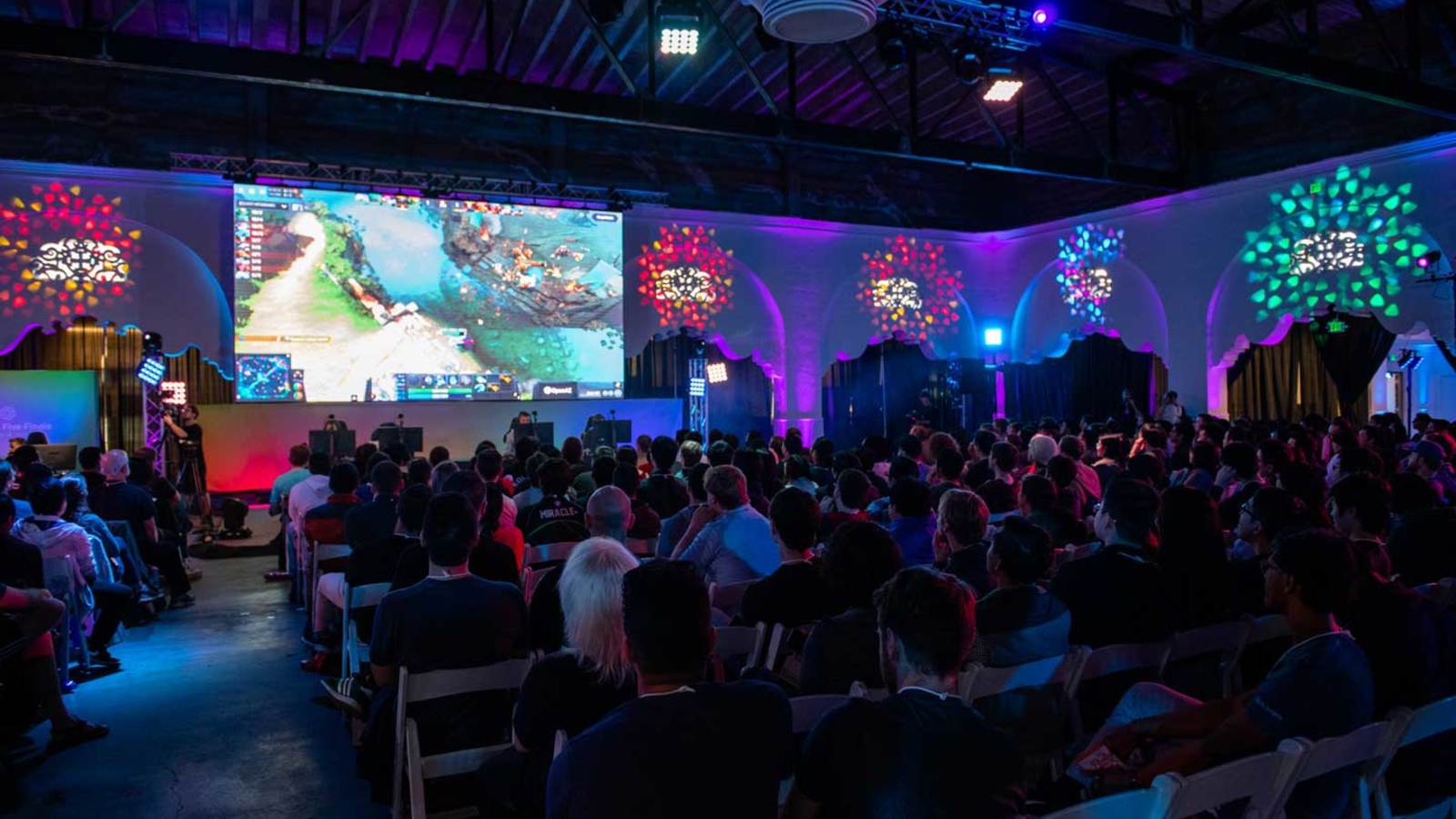
OpenAI Five is the first AI to beat the world champions in an esports game, having won two back-to-back games versus the world champion Dota 2 team, OG, at Finals this weekend. Both OpenAI Five and DeepMind’s AlphaStar had previously beaten good pros...
Topics: Models

OpenAI News
We’ll be holding our final live event for OpenAI Five at 11:30am PT on April 13.
Topics: Models

OpenAI News
We’ve made progress towards stable and scalable training of energy-based models (EBMs) resulting in better sample quality and generalization ability than existing models. Generation in EBMs spends more compute to continually refine its answers and doing so...
Topics: ModelsInfrastructure
Entities: ModelsInfrastructure

OpenAI News
Our class of eight scholars (out of 550 applicants) brings together collective expertise in literature, philosophy, cell biology, statistics, economics, quantum physics, and business innovation.
Topics: Models


OpenAI News
On February 2, we held our first Spinning Up Workshop as part of our new education initiative at OpenAI.
Topics: Models

OpenAI News
We’ve written a paper arguing that long-term AI safety research needs social scientists to ensure AI alignment algorithms succeed when actual humans are involved. Properly aligning advanced AI systems with human values requires resolving many uncertainties...