
 OpenAI News
OpenAI Fellows Winter 2019 & Interns Summer 2019
We are now accepting applications for OpenAI Fellows and Interns for 2019.
Topics: Models
Source feed
1262 items
Stay up to speed on the rapid advancement of AI technology and the benefits it offers to humanity.
OpenAI News
We are now accepting applications for OpenAI Fellows and Interns for 2019.
Topics: Models

OpenAI News
A promising class of generative models maps points from a simple distribution to a complex distribution through an invertible neural network. Likelihood-based training of these models requires restricting their architectures to allow cheap computation of...
Topics: ModelsInfrastructure
Entities: ModelsInfrastructure
OpenAI News
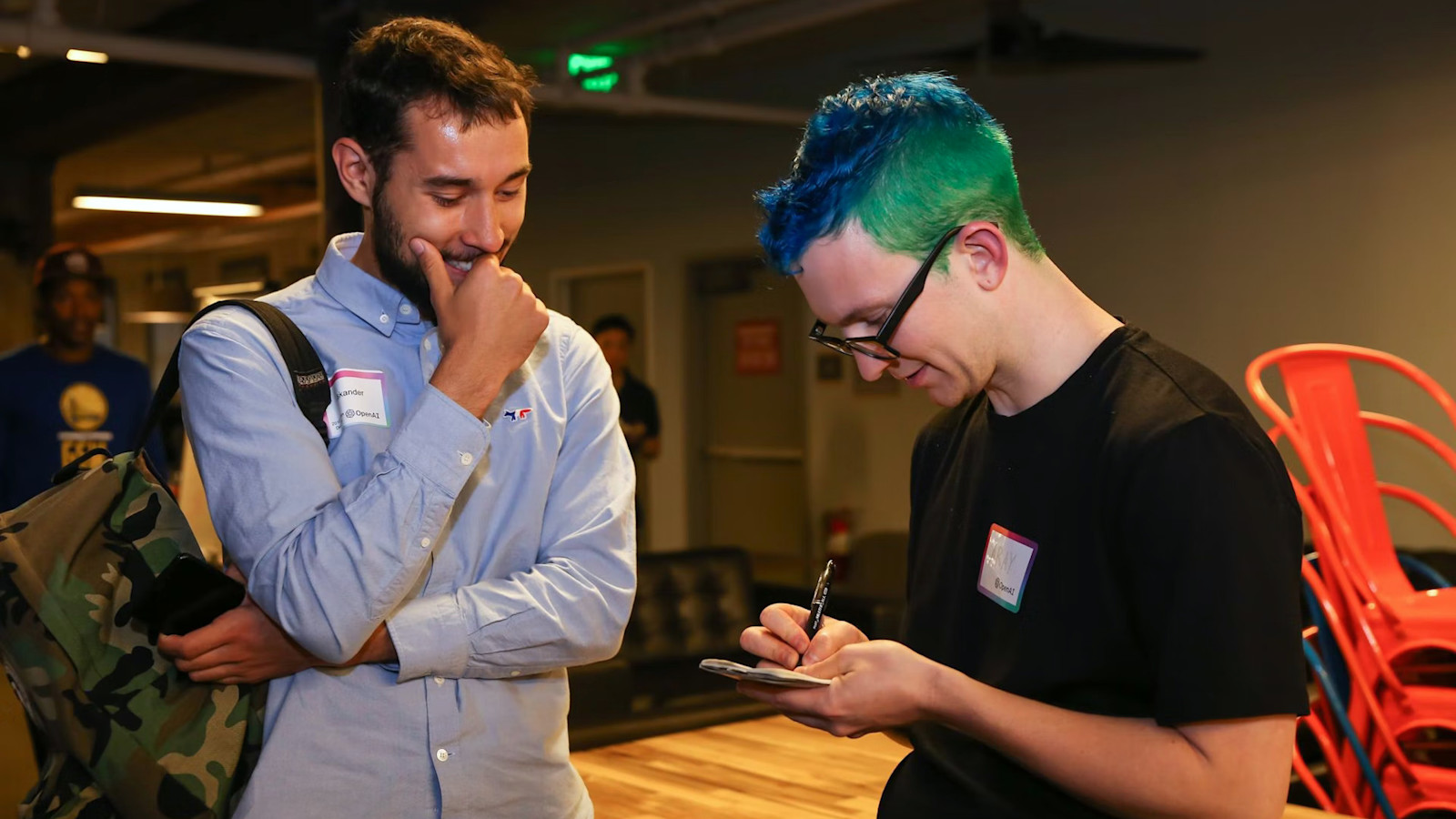
Our first cohort of OpenAI Scholars has now completed the program.
Topics: Models

OpenAI News
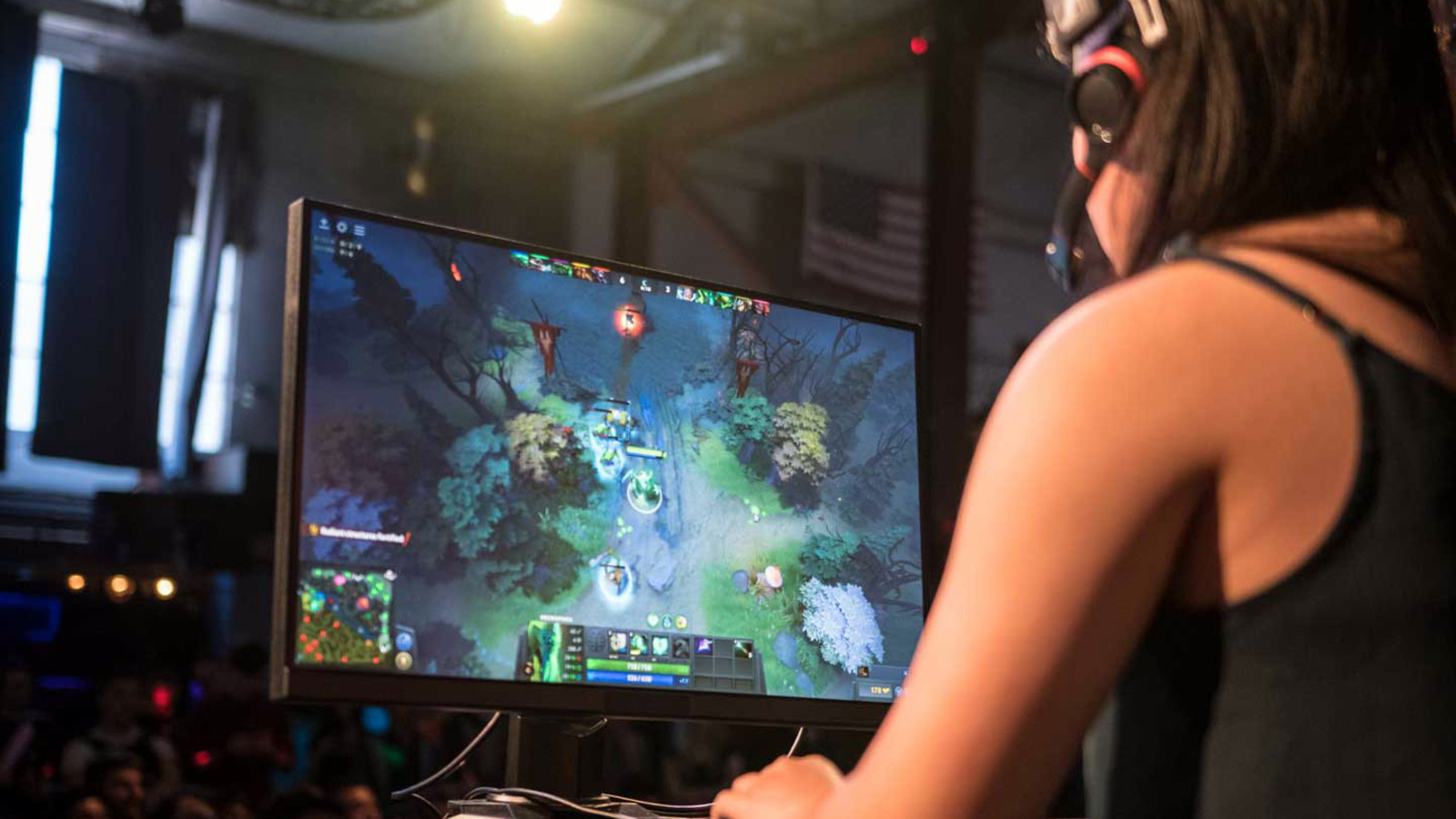
OpenAI Five lost two games against top Dota 2 players at The International in Vancouver this week, maintaining a good chance of winning for the first 20–35 minutes of both games.
Topics: Models

OpenAI News
Reinforcement learning algorithms rely on carefully engineering environment rewards that are extrinsic to the agent. However, annotating each environment with hand-designed, dense rewards is not scalable, motivating the need for developing reward functions...

OpenAI News
Yesterday, OpenAI Five won a best-of-three against a team of 99.95th percentile Dota players: Blitz, Cap, Fogged, Merlini, and MoonMeander—four of whom have played Dota professionally—in front of a live audience and 100,000 concurrent livestream viewers.
Topics: Models
OpenAI News
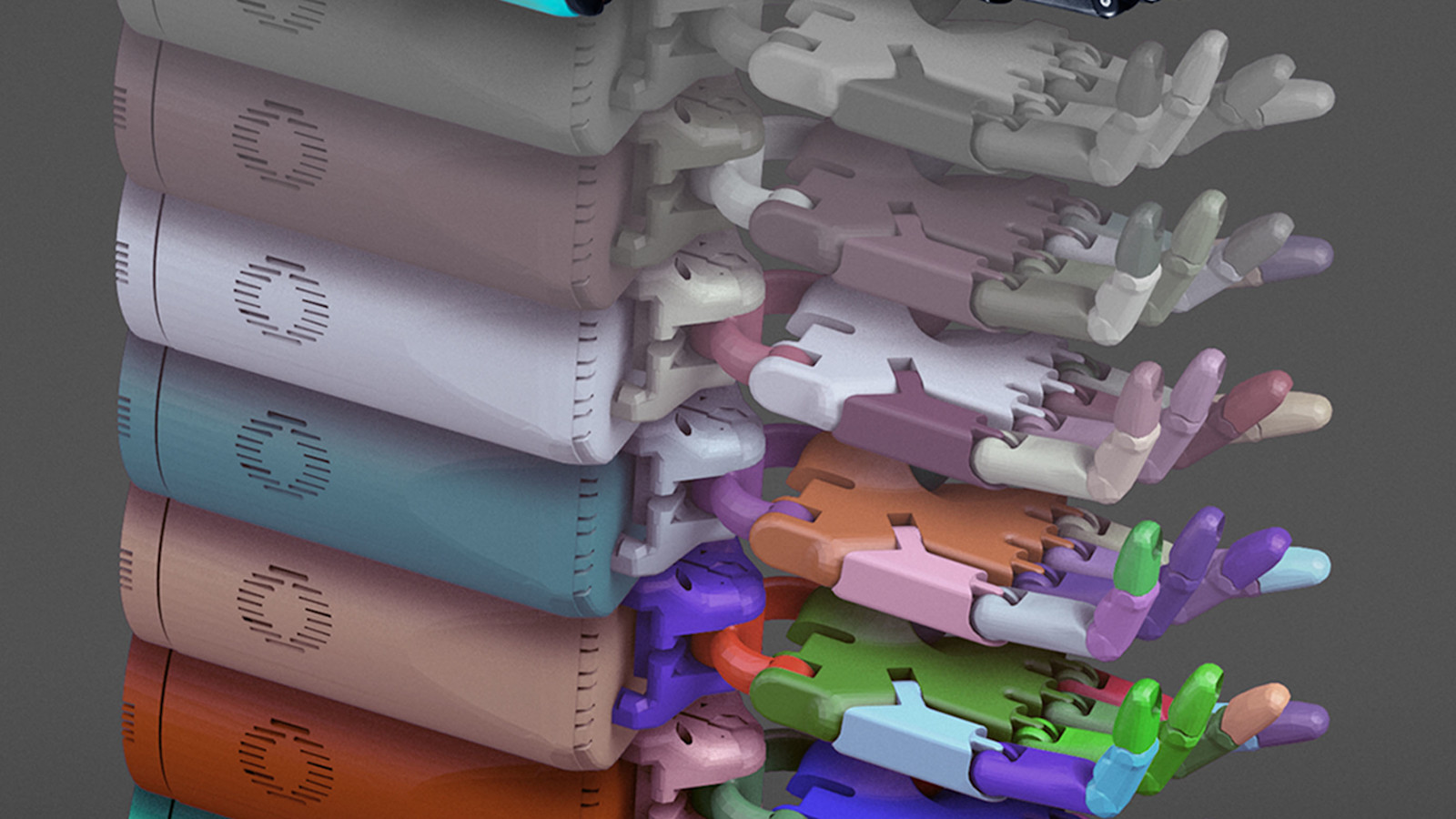
We’ve trained a human-like robot hand to manipulate physical objects with unprecedented dexterity.

OpenAI News
We explore methods for option discovery based on variational inference and make two algorithmic contributions. First: we highlight a tight connection between variational option discovery methods and variational autoencoders, and introduce Variational...
Topics: PolicyInfrastructure
Entities: PolicyInfrastructure

OpenAI News
Our first class of OpenAI Scholars is underway, and you can now follow along as this group of experienced software developers becomes machine learning practitioners.
Topics: Models
OpenAI News
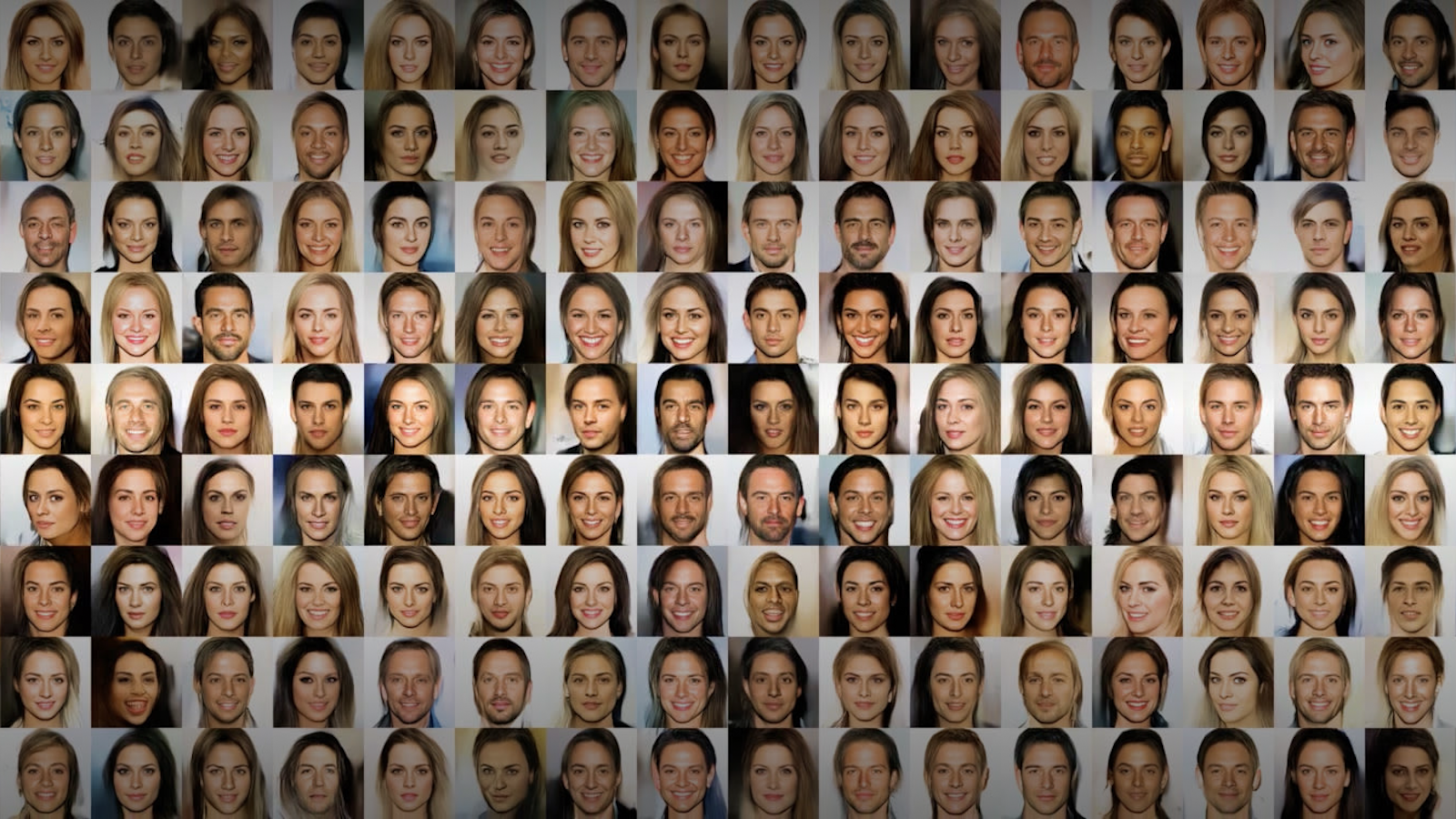
We introduce Glow, a reversible generative model which uses invertible 1x1 convolutions. It extends previous work on reversible generative models and simplifies the architecture. Our model can generate realistic high resolution images, supports efficient...
Topics: Models
Entities: Models

OpenAI News
We’ve trained an agent to achieve a high score of 74,500 on Montezuma’s Revenge from a single human demonstration, better than any previously published result. Our algorithm is simple: the agent plays a sequence of games starting from carefully chosen...
Topics: Models