 OpenAI News
OpenAI Five
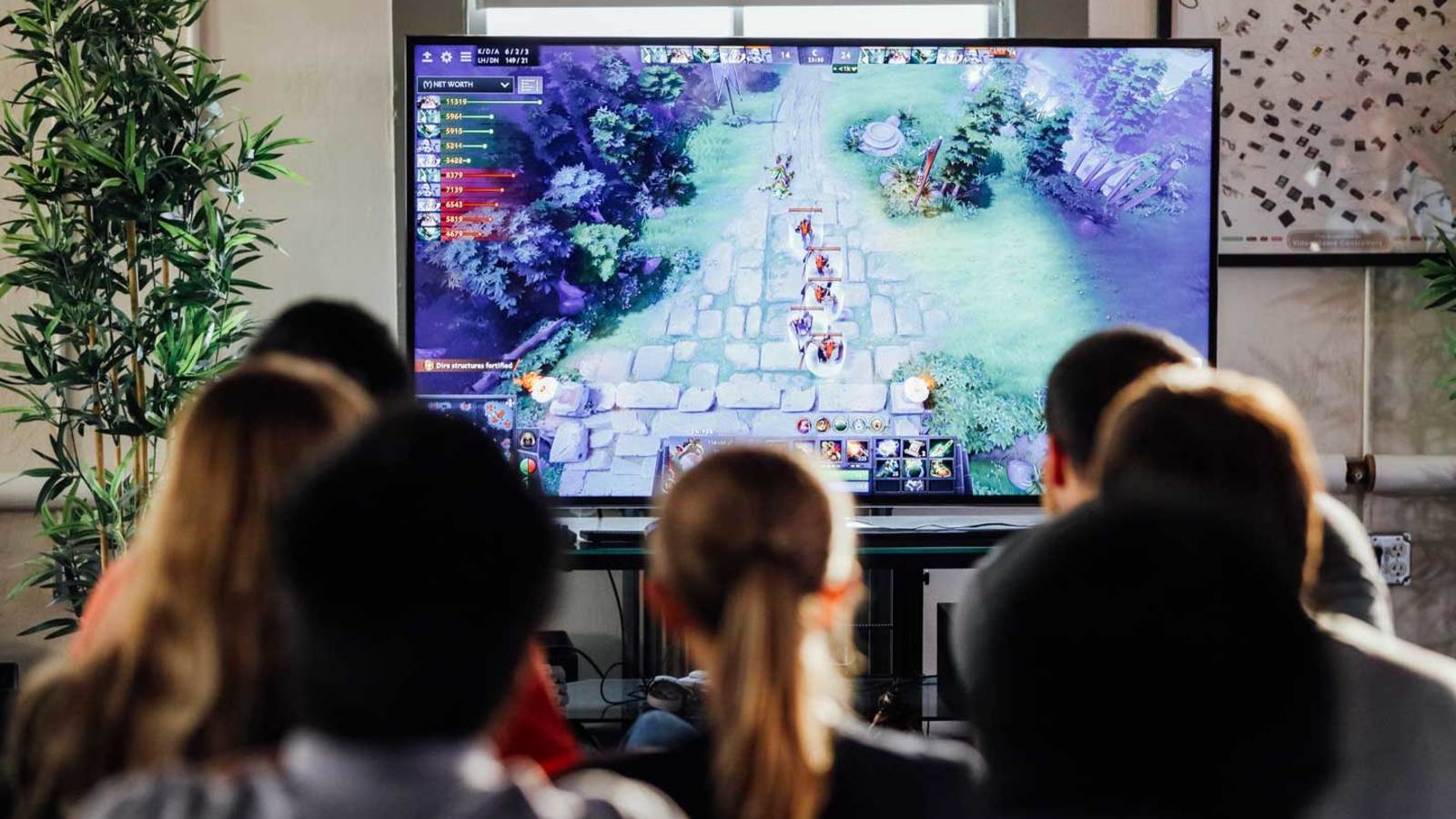
Our team of five neural networks, OpenAI Five, has started to defeat amateur human teams at Dota 2.
Topics: Models
Source feed
1262 items
Stay up to speed on the rapid advancement of AI technology and the benefits it offers to humanity.
OpenAI News
Our team of five neural networks, OpenAI Five, has started to defeat amateur human teams at Dota 2.
Topics: Models

OpenAI News
The first run of our Retro Contest—exploring the development of algorithms that can generalize from previous experience—is now complete.

OpenAI News
Modeling agent behavior is central to understanding the emergence of complex phenomena in multiagent systems. Prior work in agent modeling has largely been task-specific and driven by hand-engineering domain-specific prior knowledge. We propose a general...
Topics: Policy
Entities: Policy

OpenAI News
We’ve obtained state-of-the-art results on a suite of diverse language tasks with a scalable, task-agnostic system, which we’re also releasing. Our approach is a combination of two existing ideas: transformers and unsupervised pre-training. These results...
Topics: Infrastructure
Entities: Infrastructure

OpenAI News
In this paper, we introduce a system called GamePad that can be used to explore the application of machine learning methods to theorem proving in the Coq proof assistant. Interactive theorem provers such as Coq enable users to construct machine-checkable...
Topics: Models
Entities: Models

OpenAI News
We’re now accepting applications for the next cohort of OpenAI Fellows, a program which offers a compensated 6-month apprenticeship in AI research at OpenAI.
Topics: Models

OpenAI News
We’re releasing the full version of Gym Retro, a platform for reinforcement learning research on games. This brings our publicly-released game count from around 70 Atari games and 30 Sega games to over 1,000 games across a variety of backing emulators....

OpenAI News
We’re releasing an analysis showing that since 2012, the amount of compute used in the largest AI training runs has been increasing exponentially with a 3.4-month doubling time (by comparison, Moore’s Law had a 2-year doubling period)[^footnote-correction]....
Topics: Infrastructure
Entities: Infrastructure

OpenAI News
We’re proposing an AI safety technique which trains agents to debate topics with one another, using a human to judge who wins.

OpenAI News
We’re releasing an experimental metalearning approach called Evolved Policy Gradients, a method that evolves the loss function of learning agents, which can enable fast training on novel tasks. Agents trained with EPG can succeed at basic tasks at test time...
Topics: AgentsPolicyInfrastructure
Entities: AgentsPolicyInfrastructure

OpenAI News
In this report, we present a new reinforcement learning (RL) benchmark based on the Sonic the Hedgehog™ video game franchise. This benchmark is intended to measure the performance of transfer learning and few-shot learning algorithms in the RL domain. We...
OpenAI News
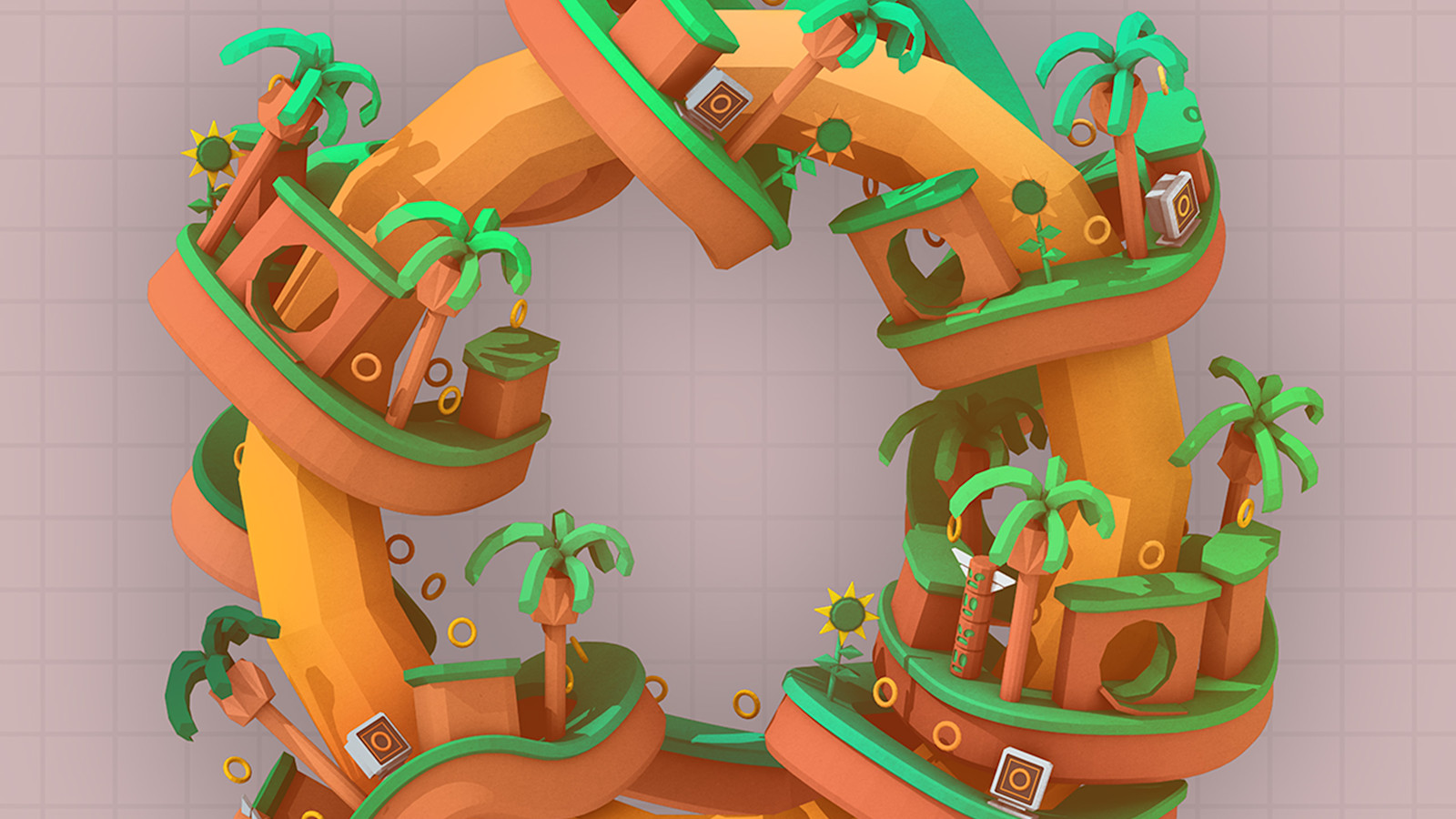
We’re launching a transfer learning contest that measures a reinforcement learning algorithm’s ability to generalize from previous experience.