Accelerating science with AI and simulations
Summary
MIT Professor Rafael Gómez-Bombarelli discusses the transformative potential of AI in scientific research, emphasizing its role in material discovery and future innovations.
Why It Matters
This article highlights the intersection of AI and scientific research, showcasing how advancements in AI can accelerate material discovery and enhance scientific methodologies. Understanding these developments is crucial for researchers, industry professionals, and policymakers as they navigate the evolving landscape of technology in science.
Key Takeaways
- AI is at a second inflection point, merging multiple modalities for scientific intelligence.
- Gómez-Bombarelli's research focuses on using AI to discover new materials with real-world applications.
- AI for science is viewed as a positive force, aiming to create a better future through enhanced research capabilities.
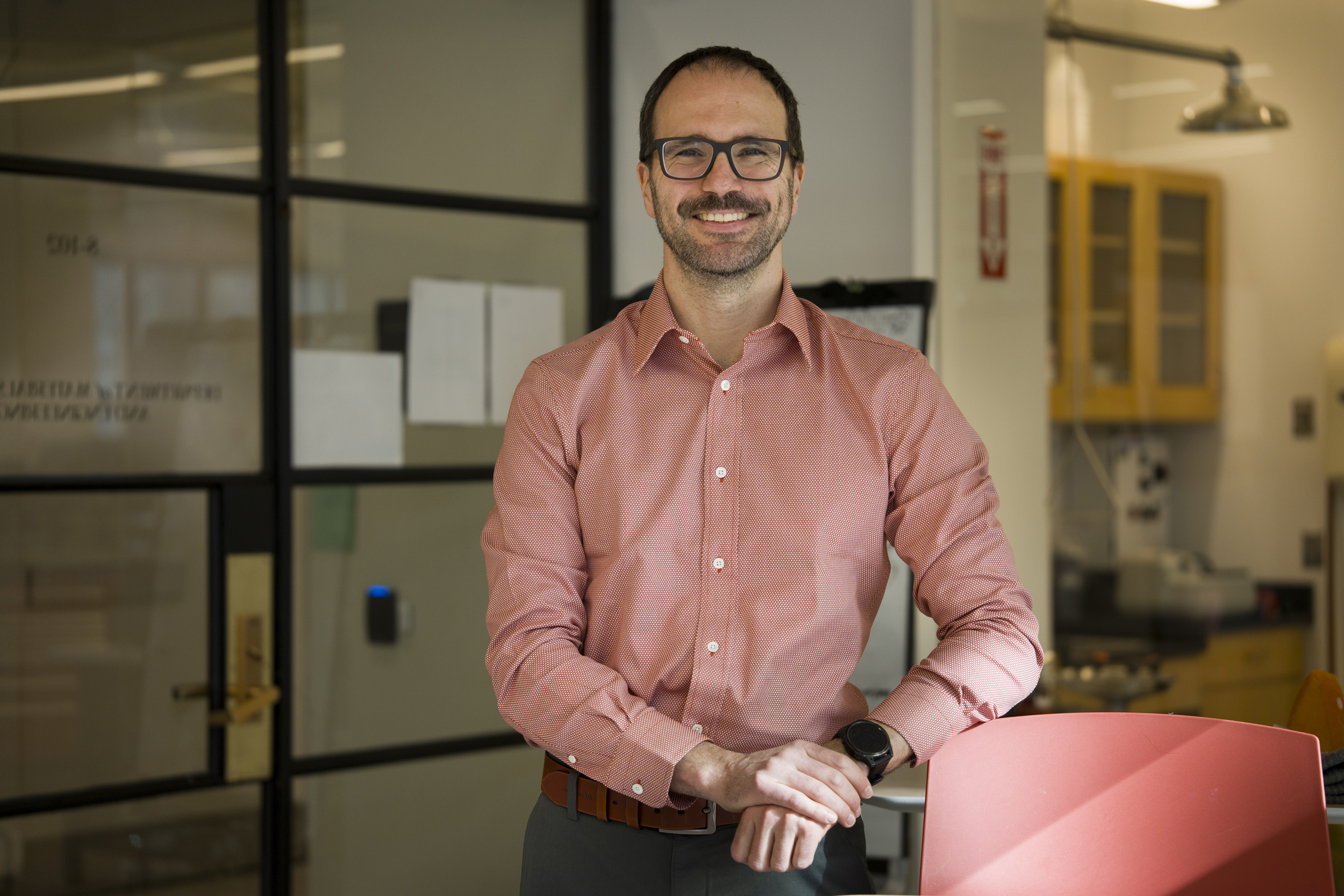
Associate Professor Rafael Gómez-Bombarelli has spent his career applying AI to improve scientific discovery. Now he believes we are at an inflection point. Zach Winn | MIT News Publication Date: February 12, 2026 Press Inquiries Press Contact: Abby Abazorius Email: abbya@mit.edu Phone: 617-253-2709 MIT News Office Media Download ↓ Download Image Caption: “AI for science is one of the most exciting and aspirational uses of AI,” Rafael Gómez-Bombarelli says. “Other applications for AI have more downsides and ambiguity. AI for science is about bringing a better future forward in time.” Credits: Photo: Jodi Hilton *Terms of Use: Images for download on the MIT News office website are made available to non-commercial entities, press and the general public under a Creative Commons Attribution Non-Commercial No Derivatives license. You may not alter the images provided, other than to crop them to size. A credit line must be used when reproducing images; if one is not provided below, credit the images to "MIT." Close Caption: “AI for science is one of the most exciting and aspirational uses of AI,” Rafael Gómez-Bombarelli says. “Other applications for AI have more downsides and ambiguity. AI for science is about bringing a better future forward in time.” Credits: Photo: Jodi Hilton Previous image Next image For more than a decade, MIT Associate Professor Rafael Gómez-Bombarelli has used artificial intelligence to create new materials. As the technology has expanded, so have his am...