India bids to attract over $200B in AI infrastructure investment by 2028 | TechCrunch
Summary
India aims to attract over $200 billion in AI infrastructure investment by 2028, enhancing its position as a global AI hub through tax incentives and policy support.
Why It Matters
This initiative is significant as it positions India as a competitive player in the global AI landscape, potentially reshaping the AI infrastructure market. With major tech companies already investing, India's strategy could lead to increased innovation and economic growth, while addressing challenges in energy and resource management.
Key Takeaways
- India is targeting over $200 billion in AI infrastructure investment by 2028.
- The government is offering tax incentives and venture capital to attract global players.
- An additional 20,000 GPUs will be added to enhance shared compute capacity.
- Challenges include reliable power and water supply for data centers.
- The initiative aims to broaden access to AI tools and applications beyond major companies.
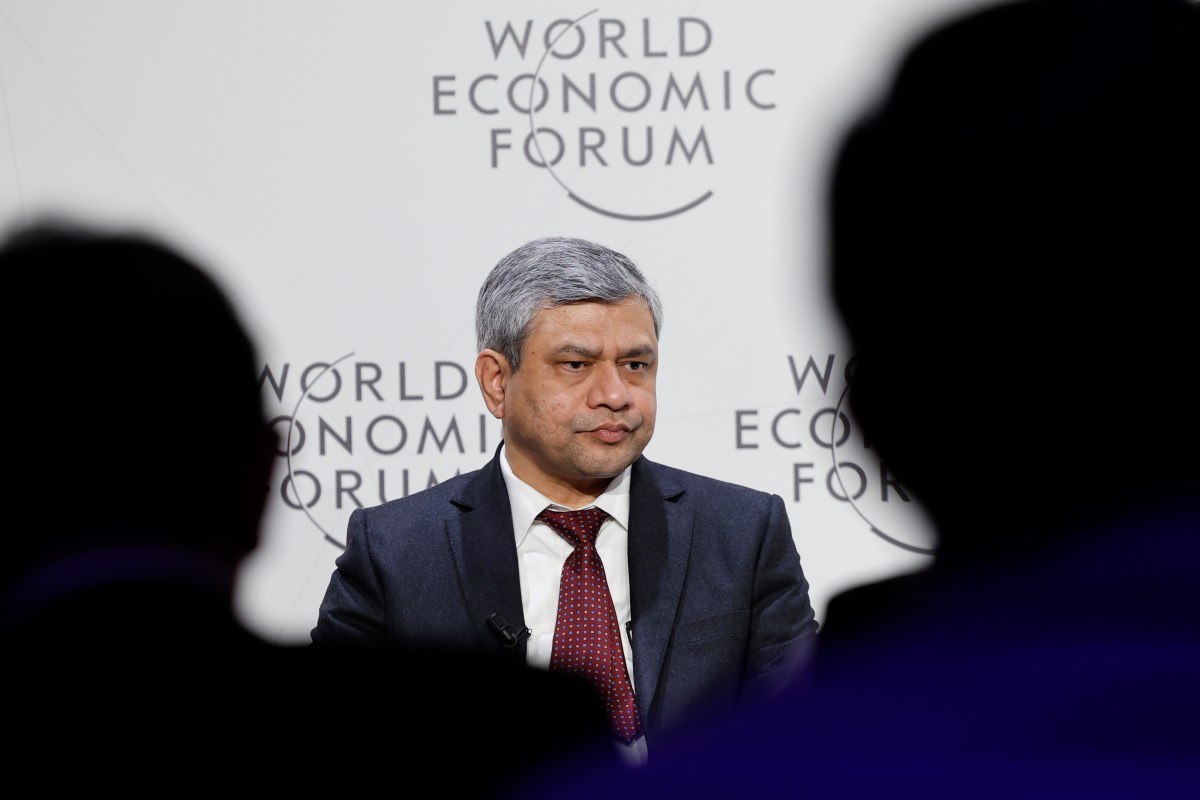
India has set out an aggressive push to attract more than $200 billion in artificial-intelligence infrastructure investment over the next two years, as it seeks to position itself as a global hub for AI computing and applications at a time when capacity, capital, and regulation are becoming strategic assets. The plans were outlined on Tuesday by India’s IT minister Ashwini Vaishnaw (pictured above) at the Indian government-backed five-day AI Impact Summit in New Delhi, attended by senior executives from OpenAI, Google, Anthropic, and other global technology firms. To attract investment, the government is rolling out a mix of tax incentives, state-backed venture capital, and policy support aimed at pulling more of the global AI value chain into the South Asian nation. India’s pitch comes as U.S. technology giants, including Amazon, Google, and Microsoft, have already committed about $70 billion to expand AI and cloud infrastructure in the country, giving New Delhi a foundation to argue it can combine scale, cost advantages, and policy incentives to attract the next wave of global AI computing investment. While the bulk of the projected $200 billion is expected to flow into AI infrastructure — including data centers, chips, and supporting systems, and encompassing the around $70 billion already pledged by Big Tech companies — Vaishnaw said the Indian government also anticipates an additional $17 billion of investment into deep-tech and AI applications, highlighting a push to...

