Should I worry about how much water my AI chatbot conversations are using?
Summary
The article explores the environmental impact of AI chatbots, focusing on their water consumption during operation. It presents varying estimates of water usage and discusses concerns about the sustainability of data centers powering these technologies.
Why It Matters
As AI technology advances, understanding its environmental footprint, particularly water usage, is crucial. This article highlights the potential strain on water resources due to increasing AI demands, raising awareness about sustainability in tech development.
Key Takeaways
- AI chatbots require significant water for data center cooling and operations.
- Estimates of water usage vary widely, with some suggesting alarming increases in global water demand.
- Concerns exist about the impact of data centers on local water supplies and ecosystems.
- Experts debate whether AI's water consumption is a crisis or overstated compared to other water uses.
- Awareness of AI's environmental impact is essential for sustainable tech development.
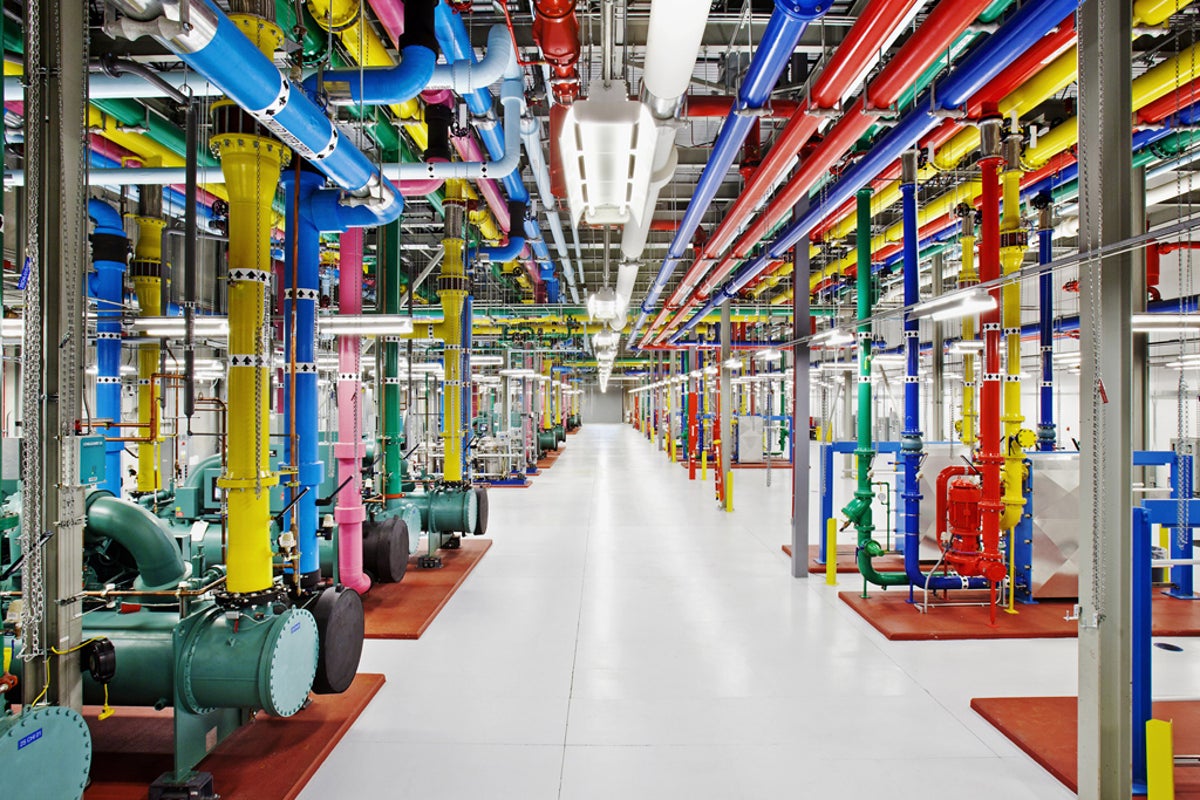
AI’s thirst for water has sparked widespread environmental fears, with many concerned that the rapidly advancing technology is putting further strain on the world’s resources.Each prompt or question a person feeds AI will require energy and water to cool the data centre containing the software. The estimates of how much water AI is using have been widely debated, and different AI companies report varying numbers. Sam Altman, the chief executive of OpenAI, has said ChatGPT uses less than 1/15 teaspoon for an average query. A Google Gemini study claims an average AI prompt uses less than 0.3ml of water.But other estimates suggest it uses far more. Research from the University of California in 2023 calculated that ChatGPT “drinks” roughly 500ml of water for every 10 to 50 medium-length responses. A report by the UK government Digital Sustainability Alliance predicts that AI could drive global water usage up from 1.1 billion to 6.6 billion cubic metres by 2027, an amount equivalent to more than half of the UK’s total water usage. open image in galleryNearly 68 per cent of data centres were near protected or key biodiversity areas (PA)Why does AI use water?Data centres, which power software like ChatGPT or Google Gemini, rely on water to cool the systems and prevent them from overheating. They also use water for electricity generation, and during the manufacturing of the hardware they run on. The Lincoln Institute of Conventional Policy said a mid-sized data centre will consume...
